





A few years ago, “robot” usually meant a vacuum that bumped into furniture, or a gadget that looked cute but mostly sat on a shelf. In 2026, the conversation is different. People searching “best AI robot” typically want something that feels alive in the right ways: a robot that can understand you, navigate your home, and be genuinely useful without becoming complicated, intrusive, or fragile.
For many American households, the motivation is practical: busy schedules, work-from-home life, and the desire for easier routines. For others, it’s emotional: a companion for kids, a playful presence for pet owners, or a friendly helper that makes the home feel more connected. And for buyers, there’s one big question behind the keyword: Which AI robot is actually worth the money—and won’t disappoint after the first week?
This guide breaks down what “best” really means, what capabilities matter most in real homes, and how to choose based on your life—not hype.
What Counts as the “Best” AI Robot Today?
“Best” is not a single model that wins for everyone. The best AI robot is the one that fits your home, your comfort level, and your daily needs while staying reliable over time. Most shoppers will be happiest with a robot that does three things well:
-
Understands what’s happening (voice, vision, sensors, context)
-
Acts usefully and predictably (movement, routines, safe autonomy)
-
Earns trust (privacy controls, updates, support)
In other words, a “best AI robot” isn’t just smart—it’s consistently helpful, easy to live with, and designed around real people. Use the sections below to translate marketing claims into practical buying criteria.
AI Brain vs. Robot Body: Autonomy, Sensing, and Movement
Think of an AI robot as two systems working together: the “brain” (software and intelligence) and the “body” (hardware that senses and moves). A great brain with a weak body leads to frustration—like a robot that talks well but can’t navigate your hallway. A strong body with a weak brain feels like a remote-controlled toy.
In a home setting, pay attention to:
-
Autonomy level: Does it do useful things without constant commands?
-
Sensing: Cameras, depth sensors, microphones—do they work in normal lighting and typical home noise?
-
Movement reliability: Does it move smoothly, avoid obstacles, and recover if something changes?
The best AI robots balance intelligence with physical capability so they can operate naturally in your space.
Useful Skills That Matter at Home: Patrol, Follow, Play, Remind, Assist
Most people don’t need a robot that performs a “wow” demo—they need a robot that shows up in daily life. The best home AI robots tend to shine in a few practical skill buckets:
-
Follow and interact: Moving with you room-to-room, responding quickly
-
Play and engage: Games, reactions, personality, family entertainment
-
Gentle reminders: Simple routines—“time for homework,” “walk the dog,” “medicine check”
-
Light assistance: Basic monitoring, check-ins, and “where is everyone?” peace of mind
If you’re buying for a family, usefulness often looks like small moments repeated daily, not one big heroic task.
Safety & Privacy Baseline: Cameras, Data Storage, Permissions
A home robot is more personal than most devices: it can see your home layout, hear conversations, and move near kids and pets. That means the “best” robot must meet a baseline that goes beyond features:
-
Clear privacy controls: Easy toggles, not hidden settings
-
Data transparency: What’s stored, what’s sent to the cloud, what stays local
-
Permission-based access: Family members can control what the robot can do and when
If a robot is impressive but makes you uneasy, it’s not the best—because you won’t use it long-term.
The Fast Checklist to Pick the Best AI Robot for Your Life
If you want a quick way to narrow options, start here. Most buyers can make a strong decision by matching the robot category to their primary goal—and then checking a few non-negotiables: reliability, privacy, and support.
Use this checklist as your fast filter before you compare specs.
If You Want a Family Companion Robot
Choose a robot that prioritizes:
-
Natural, friendly interaction (voice + expressive reactions)
-
Fun, repeatable activities for kids and adults
-
Safe movement and predictable behavior
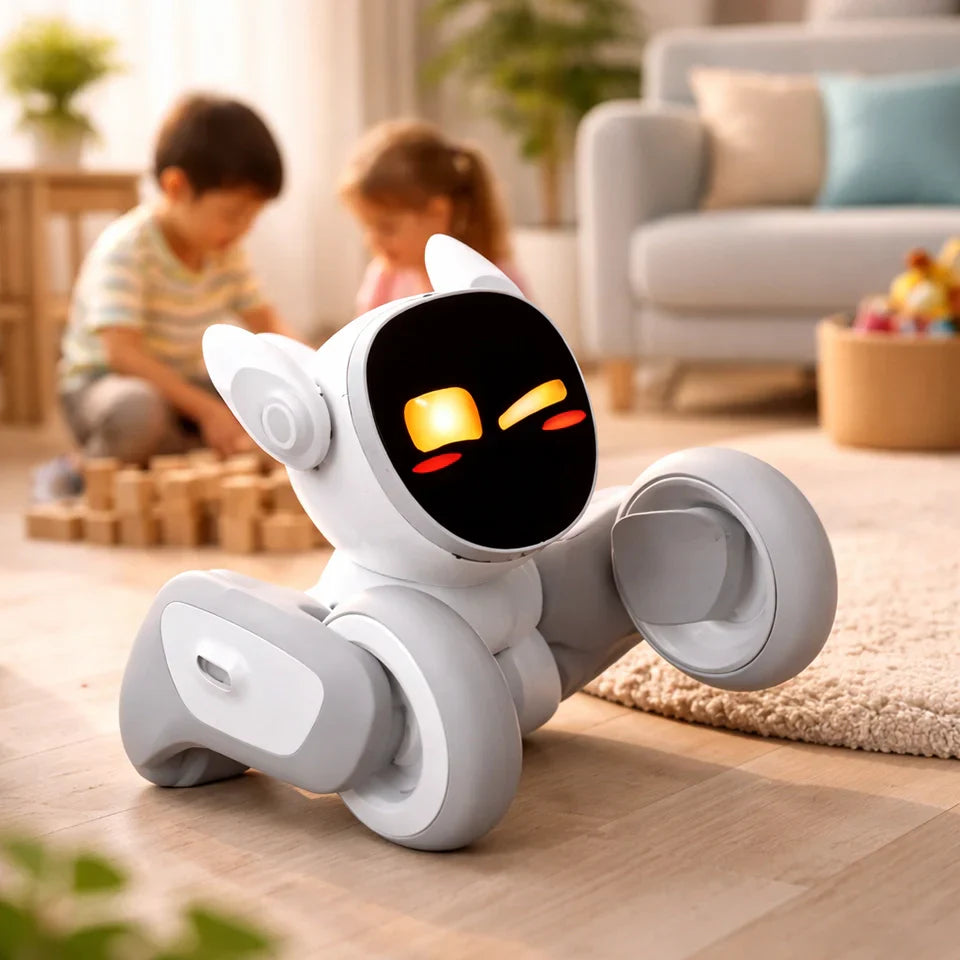
If your goal is companionship and family engagement, consider a home AI companion like Loona—it’s designed around interaction, personality, and everyday fun. You can see Loona Robot when you’re ready to compare.
If You Want a Practical Helper Robot
Look for:
-
Strong navigation and obstacle avoidance
-
Routines that can run without babysitting
-
Clear app controls and dependable updates
Practical helper robots should reduce effort, not become another device you manage.
If You Want a Learning / STEM Robot for Kids
Prioritize:
-
Age-appropriate learning experiences
-
Safe design (materials + movement)
-
Content and updates that grow over time
The best “STEM” option is usually the one your child actually wants to use after the first day.

The Main Categories of AI Robots Americans Actually Buy
Before comparing “best” robots, it helps to understand what category you’re shopping in. Most household buyers fall into one of three groups, and each group values different strengths.
Home Companion Robots (Social + Emotional Interaction)
These robots focus on personality, interaction, and family presence. Their value is in:
-
Engagement (talking, reacting, playing)
-
A sense of companionship (especially for kids and pet owners)
-
Daily entertainment and “smart pet” vibes
If you’re buying for joy, bonding, and routine interaction, this is the category that usually delivers the most satisfaction.
Smart Security / Patrol Robots (Monitoring + Alerts)
This category is about awareness and peace of mind:
-
Check-ins when you’re away
-
Simple patrol routines
-
Notifications and alerts that don’t overwhelm you
The best options here are the ones that are reliable and respectful—useful signals, not constant noise.
Delivery, Logistics, and Business-Service Robots (Why You’ll See Them More)
You’ll increasingly see robots in hotels, hospitals, and warehouses. They’re optimized for:
-
Repeating tasks in controlled environments
-
Efficiency and uptime
-
Fleet management and predictability
These aren’t usually the best fit for a home—but they explain why “robots everywhere” is becoming normal.
The Most Advanced AI Robot Capabilities to Look For in 2026
The most meaningful improvements in 2026 aren’t about robots lifting heavy things in your kitchen. The real leap is that robots are getting better at understanding messy real life: clutter, background noise, shifting routines, and people who don’t want to learn complicated controls.
Here are the advanced capabilities that translate into a better home experience.
Natural Conversation That Feels Real (Context, Memory, Tone)
“Talks to you” is easy. “Understands you” is harder.
The best AI robots don’t just respond—they handle:
-
Context: Following a conversation without you repeating yourself
-
Tone: Sounding friendly without being overly robotic or overly human
-
Practical memory: Remembering preferences in a controlled way (and letting you reset it)
A good test: ask the robot two-step questions, like “What should we do after dinner?” and then “Okay, remind me in 30 minutes.” If it keeps the thread naturally, that’s a strong sign.
Vision That Understands Your Home (People, Pets, Obstacles, Rooms)
Home robots live in complex spaces: toys on the floor, moving pets, dim hallways, and furniture that changes. Advanced vision and sensing should help the robot:
-
Recognize obstacles and avoid them
-
Respond differently to people vs. pets
-
Move safely around kids (especially unpredictable movement)
This is also where “companion” robots shine: when the robot can respond to your presence—turn toward you, react to movement, or engage playfully—it feels more like a living part of the room. If you’re exploring a companion-style robot, Loona Robot is worth a look for that “interactive at home” experience.
“Helpful Autonomy”: Doing the Right Thing Without Being Creepy
The best autonomy is subtle. It means the robot can do useful actions on its own with your permission:
-
Start a routine at a predictable time
-
Follow you when invited (not constantly)
-
Pause or power down in private moments
Good autonomy feels like a thoughtful assistant. Bad autonomy feels like something you need to manage—or worry about. That’s why the “best AI robot” is often the one with the best controls, not the most dramatic demo.
Where to Start If You Want a Great Home AI Companion
If you’re leaning toward a home companion robot, start simple. Your goal is to choose something that fits naturally into your routines—without requiring a steep learning curve.
Choosing Your “Robot Personality”: Playful, Helpful, or Both
Some robots are designed to feel like:
-
A playful companion (fun reactions, personality)
-
A helper (routines, reminders)
-
A mix (interaction plus simple household support)
The best fit is the one your household will actually welcome. If you know your family loves playful interaction, prioritize that—because it drives consistent use.
Setup Reality: Wi-Fi, Space, Charging, and Family Rules
A smoother start comes from a little preparation:
-
Stable Wi-Fi in the main living areas
-
A consistent charging spot
-
Simple family rules (quiet hours, privacy moments, kid-safe boundaries)
If setup feels easy, the robot becomes part of your home instead of a project.
The Best First Purchase Strategy: Start Small, Then Upgrade
If you’re new to home robots, a smart strategy is:
-
Start with a companion-style robot that’s easy and enjoyable
-
Learn what your household actually uses
-
Upgrade later if you discover you need more “helper” functionality
If you want a friendly, family-first starting point, Loona is designed for home interaction and daily companionship.
Conclusion
For most American households in 2026, the best choice is usually not the biggest or most futuristic machine. It’s the one that’s reliable, engaging, and easy to trust day after day. If you're looking for a warm, interactive, and seamlessly integrated smart home companion that blends into your family life, consider Loona.
FAQ
What is the best AI robot for a typical American family home in 2026?
For most families, the best AI robot is the one that delivers consistent daily value: easy interaction, safe movement, and fun routines that don’t require constant troubleshooting. If your household wants companionship and engagement (especially with kids or pets), a home companion robot is often the best starting point. If you want a concrete example of that category, Loona Robot can help you benchmark features and experience.
Are AI robots safe around children and pets?
They can be, but safety depends on design and controls. Look for stable movement, sensible speed limits, smooth materials, and clear pause/stop options. Also consider predictability: robots that move calmly and respond consistently tend to be safer in busy homes. Finally, check privacy settings—especially if a camera is involved—so your family feels comfortable using the robot in shared spaces.
Do I need a subscription to get the best features from an AI robot?
Sometimes—but it depends on the robot. Some products lock advanced AI features behind subscriptions, while others focus on strong core functionality without ongoing fees. Before buying, check what’s included at purchase versus what requires monthly payment. The best value choice is the robot that remains useful and enjoyable even without extra add-ons, with subscriptions only adding optional enhancements rather than basic functionality.